
Is Your Hypermobility Causing Your Anxiety?
Aug 12, 2026
The Science Connecting Neurodiversity, Anxiety, and Connective Tissue
Starting with preparing for our Fascia + Hypermobility intensive in October, I have been diving deep into research about connective tissue and discovered fascinating new findings.
As someone with ADHD, hypermobility (undiagnosed), and anxiety, I always assumed these were separate, unrelated traits. It was only when I looked into this deeper that everything began to connect.
A quick note before we dive in: Hypermobility exists on a wide spectrum, from general joint flexibility to diagnosed conditions like Hypermobility Spectrum Disorder (HSD) and hypermobile Ehlers-Danlos Syndrome (hEDS). Whether you have a formal diagnosis or simply know your body is flexible, bendy, or prone to joint fatigue, this research may well apply to you.
In this post, we are looking at three breakthrough ways science explains what is happening in our bodies:
-
The Brain-Body Link: The surprising connection between hypermobility, neurodivergence (like ADHD and Autism), and anxiety.
-
The Adrenaline Response: How stretchy blood vessels trigger physical symptoms of panic.
-
Fascial Gluelike Stiffness: The NEW ultrasound research explaining why flexible bodies can feel so locked up and stiff.
1. The Brain-Body Link: Hypermobility, Neurodiversity, and Anxiety
My studies highlighted a massive overlap between joint hypermobility, nervous system regulation, and neurodivergence. Research shows that neurodivergent individuals are significantly more likely to be hypermobile than the general population: studies indicate that up to 50% of autistic individuals and around 30% to 50% of adults with ADHD are also hypermobile (
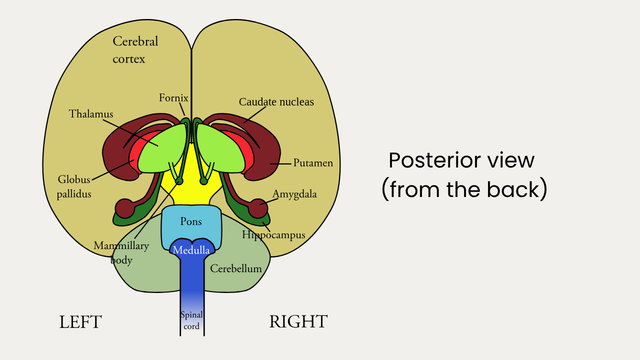
Brain scan research led by neuroscientist Dr. Jessica Eccles and her team reveals exactly how this works in the brain. Landmark fMRI imaging studies (
-
The Insular Cortex (The Body Sensor): This area processes interoception—the brain's internal sensor for reading body signals like heart rate, joint position, and blood pressure.
-
The Amygdala (The Danger Detector): This area processes emotion, fear, and threat detection.
Why do these signals become so chaotic? In a hypermobile body, stretchy ligaments fail to provide crisp, predictable feedback about joint position, forcing the brain to decipher "noisy" sensory data. At the same time, elastic blood vessels allow blood to pool when you stand up, triggering sudden heart rate spikes and adrenaline dumps to keep your blood pressure stable.
Because the insular cortex is flooded with erratic joint feedback and sudden adrenaline spikes, it interprets these high-intensity physical sensations as a state of physical emergency. It passes that raw data straight to the amygdala, which can trigger anxiety and sensory overload. Even when you are completely safe your body and brain may not realise.
For many of us yoga is the practice that means we can feel more free in our bodies and minds. I know that for me, stepping onto a yoga mat at uni years ago, I started to experience a sense of ease and freedom in my body, like I was finally coming home to myself after feeling constantly at war with an anxious, hyper-vigilant nervous system.
Learning this science can give us a whole new layer of understanding: the body and nervous system are responding directly to the fascia.
2. Stretchy Blood Vessels and the Adrenaline Loop
I was already aware that adrenaline can play a role in hypermobility, but seeing the connective tissue research confirms how deeply biological this connection can be. Hypermobility affects collagen, the primary protein building block of our bodies. Collagen does not just form our joints: it also forms the structural walls of our blood vessels (our arteries and veins).
In hypermobile bodies, blood vessel walls can sometimes be extra stretchy. This can create a physical chain reaction when you change positions:
-
Gravity pulls blood down: When you stand up, gravity pulls blood toward your lower body.
-
Stretchy veins struggle to push back: Because elastic vein walls can expand rather than hold firm, blood may struggle to circulate efficiently back up to your heart, which can cause a temporary drop in blood pressure.
-
The body releases adrenaline: To keep enough blood flowing to your brain, your body may compensate by releasing stress hormones like adrenaline and noradrenaline.
-
The unexpected reaction: This adrenaline surge tightens blood vessels and gets blood moving again, but it can also activate a "fight or flight" response as a side effect.
This process can leave you with a racing heart, shallow breathing, or sudden feelings of anxiety, even when you feel completely safe mentally.
What this feels like in real life: You stand up suddenly from the couch or step off your yoga mat, and for a split second, you get a lightheaded, giddy spell. Your vision goes slightly spotty, your heart starts pounding, and a sudden jittery wave of anxiety hits your chest out of nowhere. That isn't a random panic attack: it is your body's clever emergency response making sure your brain gets enough blood.
3. Why Flexible Bodies Feel Stiff - the research
If you are hypermobile, you may have experienced the frustrating paradox of feeling bendy and flexible in your joints, yet strangely stiff and locked up in your tissues.
For a long time, the standard theory was that this tightness was simply "muscle guarding" (your muscles gripping tightly to hold loose joints stable). While muscle tension plays a part, recent research using high-resolution ultrasound imaging reveals that there can also be a physical change occurring within your connective tissue matrix itself (Wang & Stecco, 2021; Wang et al., 2023).
Here is how researchers explain fascial densification:
-
The Web of Fascia: Fascia is the continuous web of connective tissue wrapping around every muscle, bone, and organ. In healthy tissue, individual layers of fascia are separated by a lubricant rich in hyaluronic acid, allowing them to glide over one another smoothly when you move.
-
The Shift in Lubrication: In hypermobile bodies, chronic micro-instability and subtle tissue strain can cause this lubricating fluid between fascial layers to thicken, taking on a sticky or gel-like viscosity (Wang et al., 2023).
-
Restricted Tissue Glide: As the fluid thickens, the fascial layers lose their ability to slide freely. They begin to adhere to one another, creating a physical restriction in the tissue.
This means that feeling stiff is not just in your head or a temporary muscle spasm. It can be a real, physical change in tissue texture.
It also explains why passive, heavy stretching often fails to relieve this type of tightness. Pulling harder into a deep stretch on bound-up fascia can simply irritate the tissue further. Instead, strategies that encourage fluid movement, gentle active loading, and multi-directional glide help restore natural movement to these sticky layers.
What this feels like in real life: Everyone experiences muscle tightness at their end range of movement, but hypermobile bodies live with a strange contradiction. You might feel loose, bendy, or even floppy in your joints, yet simultaneously carry a deep, relentless, locked-in stiffness through your tissues that passive stretching never seems to release. You are not lacking flexibility; your connective tissue matrix is simply holding on for stability.
What This Means for Movement and Mindful Practice
Understanding that anxiety and stiffness in hypermobility are grounded in biology shifts how we approach movement support. Rather than viewing anxiety as something to overcome mentally, we can use body-based strategies to help calm the physical nervous system:
-
Start Low to the Ground with Somatic Rocking: Working lying down or seated reduces the gravitational demand on your heart and circulatory system, preventing sudden adrenaline spikes. Gentle somatic movement like rhythmic rocking helps soothe an overstimulated nervous system and gently stimulates nerve endings so you can feel where your body is in space.
-
Build Body Awareness with Sensory Input: Gentle resistance, pressing into props, or light tapping gives clear signals to the brain about joint placement and body boundaries. This helps ground the mind and lowers the anxiety caused by altered interoception. A few options shown here in this reel.
-
Resist the Stretch to Create Stability: Instead of sinking passively into deep end-range stretches, imagine gently resisting the stretch or pressing toward center. This creates co-contraction (engaging muscles around the joint simultaneously), which fires up surrounding tissues, builds functional stability, and signals safety to your nervous system. Some relevant cues described here.
Recognizing the biological reality behind these symptoms offers validation: the anxiety and stiffness experienced with hypermobility are a direct reflection of how the brain, fascia, and nervous system navigate a flexible physical structure.
Educational Note: This article is for informational purposes only and is not intended as medical advice or clinical diagnosis.
Become a Specialist in Hypermobility & Somatic Movement
Understanding the science is just the first step. Join us this October for our Fascia + Hypermobility Module- an immersive deep-dive to build true clinical confidence, functional joint stability, and somatic regulation skills.
This intensive stands alone, or serves as Module 1 of our full 300-hour Teacher Training Program
Enroll in August to get our complete Teacher Success Bundle FREE:
-
FREE Business & Marketing Courses (The Independent Teacher Path + Authentic Yoga Marketing)
-
FREE 12-Week Small Group Mentoring to launch your new offer
-
FREE Advanced Anatomy & Movement Science Training
-
FREE "How to Ease Back Pain" Course
Click here to download the August Prospectus for all details & offers
Like what you've read?
Sign up to my newsletters and I'll share new articles with you. Plus you'll be the first to hear about my upcoming classes, courses, workshops and offers, and you'll receive my free bandhas video in your welcome email.
I respect your privacy. I won’t bombard you, and I won’t share your details. View my privacy policy for more information.